The comparison desk · Reviewed 2026-10-29
Kyanbasu vs Flair.ai
Flair.ai—not Flare—is a visual product-staging platform with drag-and-drop scenes, reusable templates and on-model fashion imagery. Kyanbasu is a product-photo and campaign workspace built around local cutouts, editable layouts and connected motion/audio.
When Flair.ai fits
Choose Flair.ai when visual scene staging, custom AI human models or fashion/on-model imagery are central to your shoot brief.
When Kyanbasu fits
Choose Kyanbasu when preserving the uploaded packaging and turning a scene into editable posters, branded channel formats and narrated short motion matters more than specialist fashion modelling.
Compare the actual workflow
| Decision | Kyanbasu | Flair.ai |
|---|---|---|
| Scene direction | Prompt, shared motion recipes and local product preservation | Drag-and-drop product staging and reusable scene templates |
| Fashion and models | General creative generation; no specialist custom-human-model workflow advertised here | AI fashion/on-model imagery and custom AI human models described on official site |
| Product cutouts | Free local browser cutout and Marketplace White; no credits | Scene-staging workflow; check current export and processing terms |
| Editable campaign output | Native editable poster text, multi-page editor, format reflow and Brand Kit | Official site describes ad generation and reusable templates; verify editable-output requirements directly |
| Motion | Short product motion, billed voiceovers and estimated captions | Video allowances are listed on the pricing page; availability depends on plan |
| Pricing model | 50 one-time welcome credits; paid plans from $14/month; AI costs shown first | Free and tiered paid plans with different image, model, video and API allowances |
Unverified means not established by the cited sources—not that a feature is absent. Plans and capabilities may change.
From product photo to campaign
A photo tool can be enough for a listing. Kyanbasu adds a canvas for native editable text, multiple pages and channel formats, then motion and narration when needed. AI actions are billed; manual editing and local cutouts are free.
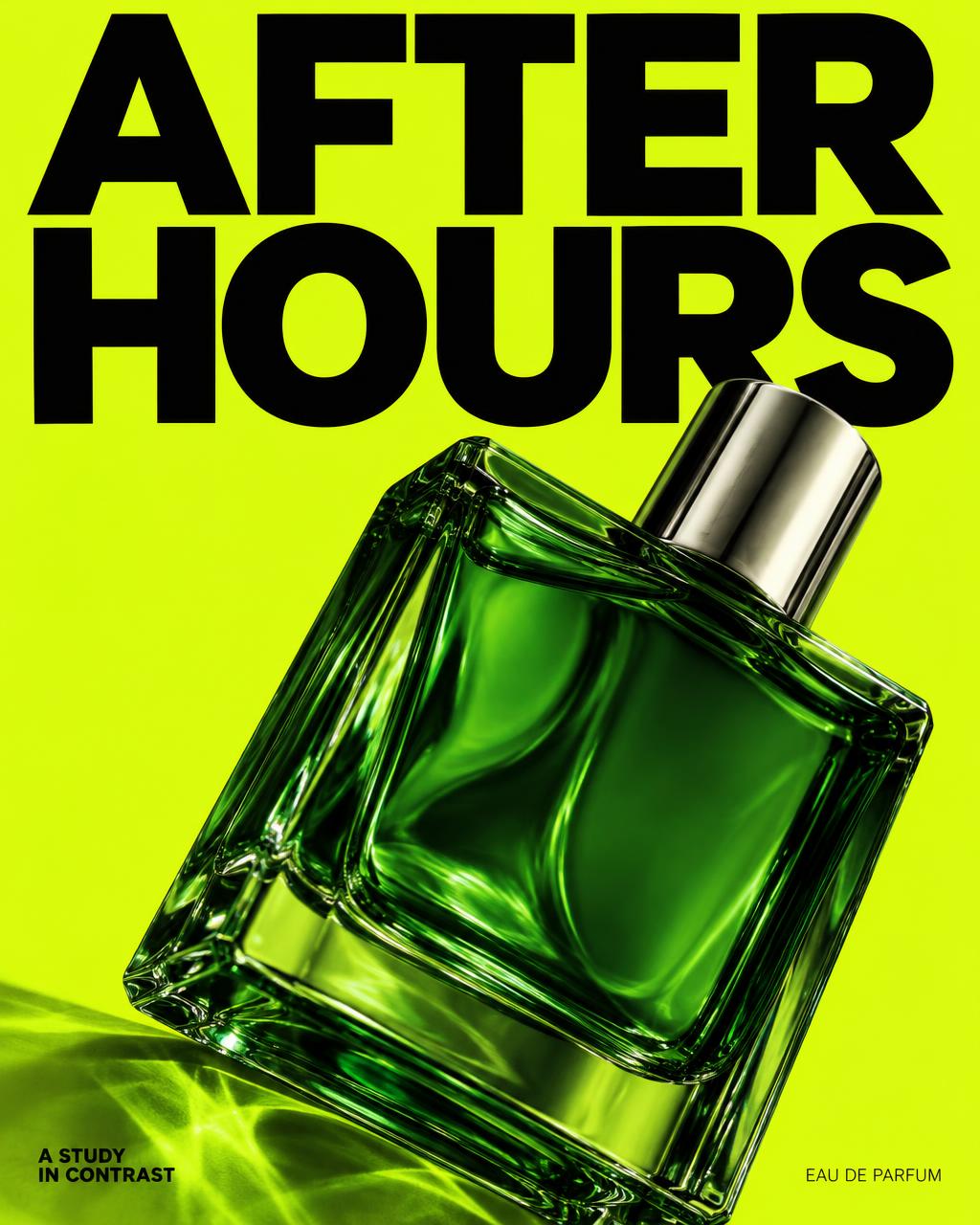
Illustrative studio assets, not a head-to-head output benchmark. No competitor output is shown or rated.
Review Kyanbasu specifications
Pricing: compare units, not just numbers
Flair.ai lists Free, Pro, Pro+, Scale and Enterprise tiers. Image, model, video and API allowances differ by plan. Confirm the selected billing period and current amounts on its pricing page; this guide does not quote prices with an unverified monthly/annual interval.
Kyanbasu includes 50 one-time welcome credits. Paid plans start at $14/month; credits vary by action. Local cutouts are free, AI scenes and motion use credits, and costs appear before generation.
Kyanbasu plans and action costs →Questions before switching
Is Flair.ai the same as Flare AI?
This comparison covers Flair.ai, the product-staging and fashion-imagery platform at flair.ai. Flare is not the name of that service; check the domain when researching alternatives.
Which tool should I choose for AI fashion models?
Flair.ai explicitly describes on-model fashion imagery and custom AI human models. Kyanbasu offers general generation and campaign design but this guide does not claim an equivalent specialist model workflow.
Can both tools make video?
Kyanbasu provides short product motion with billed narration and estimated captions. Flair.ai's pricing page lists video allowances; confirm its current plans, lengths, output and audio support for your brief rather than assuming identical features.
Can I bring Flair.ai images into Kyanbasu?
Where your licence allows, export a PNG or JPG and upload it to Product Photoshoot or the editor. A flattened image does not retain Flair.ai's project structure or editable text; add new text as native layers in Kyanbasu. There is no direct project migration or automatic account sync.
Sources and scope
Independent comparison published by Kyanbasu. Not affiliated with Flair.ai. Reviewed 2026-10-29; official product descriptions are not independently benchmarked performance claims.